
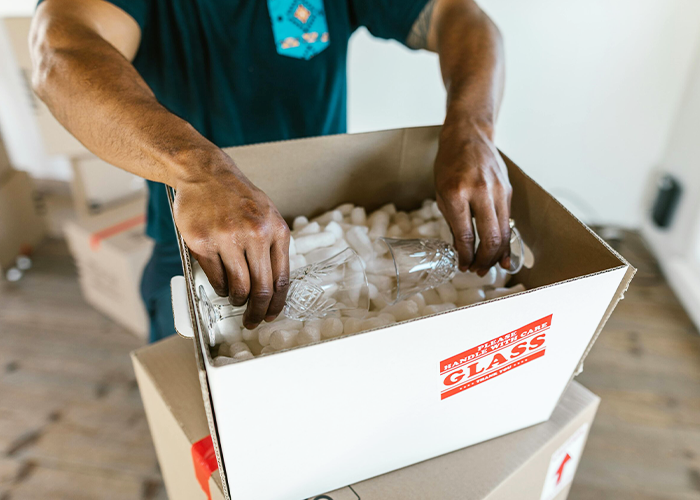
Relocating to a new home brings a ton of excitement, but packing your breakables can feel like a total nightmare. Nobody wants to open a box to find their favorite wine glasses smashed to pieces or a television screen completely cracked. Learning how to pack fragile items the right way ensures that your most prized possessions survive the bumpy ride down the road.
With the right tricks up your sleeve, anyone can master the art of wrapping delicate goods. You just need a solid game plan and the right gear to keep your valuables safe and sound. Let us dive into the best ways to protect your stuff from accidental drops and bumps.
Getting Your Packing Station Ready for Action
You cannot protect delicate goods if you start the job empty-handed. Buying cheap tape or using soggy old grocery boxes will only lead to a massive heartbreak later. Using the proper packing materials for moving makes all the difference between a successful trip and a box full of broken trash.
First, get your hands on some heavy-duty boxes. You want strong, double-walled corrugated cardboard boxes for your heaviest or most delicate breakables. These boxes can handle extra weight without buckling when another package sits on top of them.
Next, buy a massive roll of clean packing paper. This unprinted ink-free paper wraps around delicate items without leaving nasty stains or ugly scratches behind. Do not use old newspapers because the wet ink can rub off on your dishes and ruin them permanently.
Do not forget to stock up on large rolls of high-quality bubble wrap. This plastic cushioning absorbs harsh shocks and heavy vibrations when the truck hits a giant pothole on the highway. Secure everything with premium packing tape so the bottoms of your boxes do not drop out during the haul.
Choosing the Best Armor for Your Gear
| Material Type | Best Used For | Cushioning Level | Main Protection Focus |
| Packing Paper | Glassware and Dishes | Light to Medium | Prevents surface scratches and dust |
| Bubble Wrap | Electronics and Vases | High | Absorbs heavy impacts and shocks |
| Foam Pouches | Small Plates and Mirrors | Medium | Provides quick, uniform coverage |
| Cardboard Dividers | Stemware and Bottles | High | Keeps items separate to stop clinking |
Packing Glassware Without a Single Scratch
Packing kitchen items requires a massive amount of patience and care. It is very easy to make mistakes if you try to rush through the process just to get it over with. Learning how to pack glassware without breaking it depends entirely on how well you cushion each individual piece.
First, crumple up a thick layer of packing paper and throw it at the very bottom of a small box. This creates a soft, springy cushion that absorbs shocks when workers set the box down on hard asphalt.
Next, stuff the inside of every single glass with crumpled paper to reinforce the structure from within. This trick keeps the delicate glass from shattering if another item accidentally taps against it.
Wrap the outside of the glass in multiple layers of paper, tucking the edges neatly around the base. Always place your glasses into the box vertically, standing them up side by side. Never lay them down flat on their sides because they can crush each other under pressure. Fill all the empty gaps with extra crumpled paper so nothing can wiggle around.
Keeping Television Screens Safe and Sound
Flat-screen televisions are highly delicate and cost a pretty penny to replace. If you want to ensure you are moving fragile items safely, you need to treat your TV like royalty. For the best protection, always use the original box and foam inserts that came with the television when you bought it.
If you threw that box away years ago, do not sweat it. You can easily buy a specialized heavy-duty TV moving box from a local store. Wipe down the screen to remove any dust or tiny dirt particles that could cause surface scratches during the drive.
Disconnect the base stand and pull out all the power cords. Label the wires with tape so you can plug everything back in fast without a headache. Wrap the entire screen in non-static foam sheets or multiple layers of large bubble wrap.
Slide the wrapped television into the heavy-duty cardboard box with extra care. Insert foam corner protectors to keep the television perfectly centered inside the package. Tape the box securely and write instructions on every side so the crew handles it correctly.
Let Us Handle the Heavy Lifting
If your family has outgrown your current home and you have found one across town that is a perfect fit, All The Right Moves can get your belongings packed, moved, unpacked, and set up. Apartment moves can be complicated because of limited elevator access or stairways in garden apartments, but we know how to pack fragile items and navigate tricky corners and narrow hallways safely. Call us before your planned move so that we can get you started on the right track.
Frequently Asked Questions
What should you do if you hear items shifting inside a packed box?
If you hear items rattling or shifting when you lift the box, open it up immediately. Add more crumpled packing paper or bubble wrap to fill the empty pockets. A properly packed box should not allow any internal movement at all.
Is it safe to use old newspaper to wrap delicate kitchen plates?
Newspaper works well for filling empty gaps, but the wet ink can bleed onto your ceramic dishes and permanent stains can ruin porcelain. It is much better to use clean, unprinted packing paper for direct wrapping.
How should you pack high-end crystal wine glasses with long stems?
Wrap the delicate stems in bubble wrap first to make them thicker and stronger. Then wrap the entire glass in clean packing paper. Place them inside a cell-divider box to keep them from hitting each other.
Why do moving boxes need labels on multiple sides?
Labeling multiple sides ensures the crew can see the instructions regardless of how the boxes are stacked. Always write “Fragile” and draw arrows pointing upward so everyone knows the correct way to carry the package.
Can you use clothing or towels to cushion your breakables?
Yes, thick towels, soft sweaters, and clean socks can work as great makeshift cushions for sturdy items. However, professional supplies offer more uniform protection and fit better into tight corners for highly delicate items like crystal.