
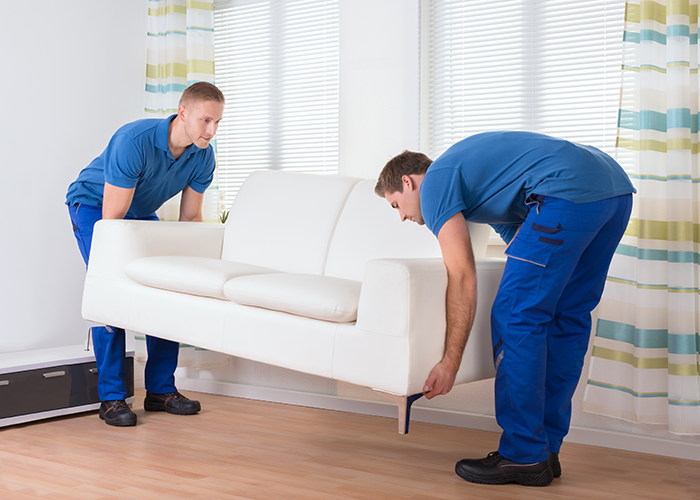
Moving day brings a ton of excitement, but it also brings a lot of stress. Dragging a massive wardrobe or carrying a bulky sectional can quickly ruin your day. You can easily scratch your beautiful hardwood floors or punch a hole in the drywall. Learning how to move heavy furniture the right way protects your home and keeps your security deposit safe.
With the right tricks, you can navigate tight corners like a pro. You do not need to be a bodybuilder to get the job done safely. You just need a solid game plan and a few handy tools to avoid scuffs.
Why Is Property Damage So Common During a Move?
Relocating heavy items requires a mix of physical strength and smart planning. When people rush through the process, accidents happen in the blink of an eye. Heavy wooden legs can scrape across hardwood floors and leave deep gouges behind.
Wall damage usually happens at specific tight spots within a house. Narrow hallways, sharp turns, and small door frames are prime danger zones. Carrying bulky items through these tight spaces without prep work often results in dented walls.
Getting Your Game Plan Ready
Proper preparation minimizes risks before anyone lifts a single item. Taking a few moments to prepare the surroundings saves hours of repair work later. You need to clear the way so you do not trip over your own feet.
First, remove all small obstacles from the floor. Toss out any rugs, shoes, and toys that block your path. Sweep the floors to eliminate dirt and small pebbles. Small debris trapped under a heavy couch can act like sandpaper under pressure.
Next, take apart large items to cut down on weight and size. Take off detachable table legs, pull out dresser drawers, and unbolt big bed frames. Removing these parts makes the main structure much lighter and easier to handle.
Essential Gear to Save Your Back
Using the right equipment makes moving heavy furniture vastly safer and easier. The proper tools take the physical strain off your body while safeguarding your surroundings. You do not have to do all the heavy lifting alone when tools can do the grunt work.
Furniture sliders are small plastic and felt discs that sit under the legs of heavy items. They allow big couches and heavy tables to glide effortlessly across your floors. They turn a two-person struggle into a one-person breeze.
Moving blankets are another lifesaver for your home. These thick fabric blankets wrap around sharp edges to absorb impacts and prevent ugly wall scuffs. You can secure them with stretch wrap so they stay put during the trip.
Shoulder lifting straps utilize leverage from your shoulders to make heavy lifting manageable. These heavy-duty nylon straps fit under appliances so two people can maintain balance. They keep your hands free to guide the item safely.
The Best Tools for Each Surface
| Equipment Type | Best Used On | Main Benefit | Prevention Focus |
| Plastic Sliders | Carpeted Floors | Smooth gliding motion | Prevents carpet tears and snags |
| Felt Sliders | Hardwood and Tile | Quiet, smooth sliding | Stops deep surface scratches |
| Moving Blankets | Walls and Banisters | High impact absorption | Prevents drywall dents and paint chips |
| Cardboard Sheets | Any Floor Type | Cheap, temporary pathway | Blocks dirt and wheel marks from dollies |
How to Protect Floors When Moving Furniture
Hardwood, tile, and laminate floors require extra love and care during a move. To protect floors when moving furniture, never drag an item directly across a bare floor. One wrong move can cost you a fortune in floor repairs.
Always use felt-bottomed sliders on hard surfaces like oak or maple planks. For heavy appliances, lay down thick sheets of cardboard along the walking path. This extra layer distributes the weight evenly and prevents dolly wheels from leaving permanent marks.
Move slowly and check the path as you go. If a slider slips out from under a chair leg, stop immediately and fix it. Rushing the process is the fastest way to score a deep scratch on your clean floors.
Let Us Handle the Heavy Lifting
If your family has outgrown your current home and you have found one across town that is a perfect fit, All The Right Moves can get your belongings packed, moved, unpacked, and set up. Apartment moves can be complicated because of limited elevator access or stairways in garden apartments, but we know how to move heavy furniture around tricky corners and down narrow hallways safely. Call us before your planned move so that we can get you started on the right track.
Frequently Asked Questions
What is the safest way to move an extremely heavy appliance?
The safest method involves using an appliance dolly equipped with rubber wheels and a secure strap system. Always place a sheet of hardboard over your flooring to prevent the heavy wheels from leaving permanent tracking marks.
How do you fix a minor drywall dent caused by a furniture impact?
Small dents can be repaired quickly using lightweight spackling compound and a putty knife. Sand the dried compound smoothly with fine-grit sandpaper, then apply a matching coat of interior wall paint to blend the spot away.
Can you use cardboard boxes as makeshift furniture sliders?
Thick pieces of clean cardboard can work as temporary sliders on smooth hardwood floors in an emergency. However, dedicated felt sliders offer significantly better control, reduce friction, and will not slip out from under the heavy furniture legs.
Should you pull or push a heavy object when using sliders?
It is generally much safer to push a heavy object rather than pulling it. Pushing allows you to use your leg strength efficiently while maintaining a clear view of the pathway ahead, minimizing the risk of tripping backward.
How do you prevent scratches on delicate stair banisters?
Wrap the entire length of the banister securely in thick moving blankets or bubble wrap, holding it in place with painter’s tape. This barrier absorbs accidental bumps from large items as the crew maneuvers up or down the staircase.