
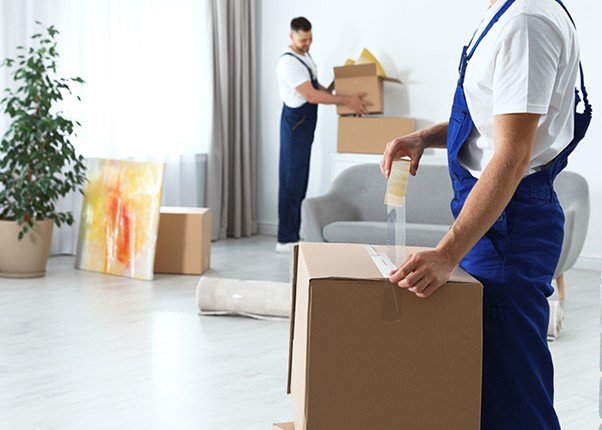
Moving can feel like a wild ride.
One day, your home looks normal. The next day, boxes are stacked everywhere, tape is stuck to your fingers, and your favorite coffee mug has vanished. It can get messy fast. That is why knowing packing vs hiring movers is a big deal before moving day. A smart plan helps save time, money, and stress. Some things are easy to pack on your own. Other things are better left to the pros.
Why Packing Smart Makes Life Easier
Not all stuff should be packed the same way.
Some things are simple. Others can be heavy, fragile, or downright tricky. Packing the right way helps protect your things and keeps moving day from turning into a headache.
Before you start, think about:
- How heavy the item is
- If it can break easily
- How valuable it is
- How much time you have
- If moving it could be unsafe
For example, packing your clothes is no sweat. But moving a giant couch or glass table? That can be a whole different beast.
Stuff You Should Pack Yourself
Some items are best handled by you.
These are usually personal, easy to carry, or things you may need right away.
Important Papers and Valuables
Always keep these with you:
- Passports
- Birth certificates
- Jewelry
- Cash
- Medicine
- School records
These items are too important to lose in a moving truck.
Clothes and Shoes
Packing clothes is usually super easy.
Use suitcases, backpacks, or boxes. You can even keep clothes on hangers and slide garbage bags over them. Easy peasy.
Bathroom and Daily Needs
Pack a small bag with daily essentials like:
- Toothbrush
- Soap
- Phone charger
- Pajamas
- Snacks
- Water bottle
This can be a lifesaver during your first night.
Kids’ Favorite Things
Moving can feel scary for kids.
Packing favorite toys, stuffed animals, or blankets yourself can help children feel calm and comfy.
Big Stuff Movers Should Handle
Now let’s talk about the heavy hitters.
Some items are just too bulky or delicate for DIY moves. That is where professional packing services in Denver can really help.
Heavy Furniture
Big furniture can be hard to move and easy to damage.
This includes:
- Beds
- Sofas
- Dressers
- Tables
- Bookshelves
Professional movers know how to lift, wrap, and move these safely.
Fragile Items
Some things can break in a blink.
Examples include:
- TVs
- Mirrors
- Glass tables
- Artwork
- Dishes
Movers use special boxes, bubble wrap, and padding to keep these safe.
Appliances
Washers, dryers, and fridges are no joke.
They are heavy, awkward, and often need special care. Movers have the tools and know-how for the job.
The Big Question
A lot of people ask, should I pack myself or hire movers in Denver when planning a move.
The answer depends on your time, budget, and how much stuff you have.
Here is a quick look:
| Pack Yourself | Hire Movers |
| Costs less | Saves time |
| More control | Less stress |
| More work | Safer for heavy items |
| Can be tiring | Faster process |
If you have a small move, DIY may work great.
If you have lots of stuff, fragile items, or a busy schedule, hiring movers may be the smarter choice.
Mix and Match Can Be the Best Plan
You do not always have to choose one or the other.
Many people do both.
Pack Yourself:
- Clothes
- Toys
- Personal papers
- Toiletries
- Everyday items
Let Movers Handle:
- Furniture
- Electronics
- Breakables
- Appliances
This combo can save money while still making life easier.
A Simple Packing Timeline
Waiting until the last minute can be a recipe for disaster.
A good packing checklist before movers arrive can keep you on track.
4 Weeks Before:
- Clean out clutter
- Donate old stuff
- Gather boxes
3 Weeks Before:
- Pack seasonal clothes
- Box decorations
2 Weeks Before:
- Pack most rooms
- Label boxes clearly
1 Week Before:
- Pack essentials
- Double-check plans
Moving Day:
- Keep valuables close
- Charge your phone
- Do one last walkthrough
Common Mistakes to Avoid
Even smart movers can mess up.
Here are some common slip-ups:
Overpacking Boxes
Too much weight can break boxes.
Bad Labels
Writing “stuff” on a box is not helpful.
No Protection
Skipping bubble wrap can lead to broken items.
Forgetting Essentials
Nobody wants to dig through ten boxes for socks.
Save Money Without Cutting Corners
Moving does not have to break the bank.
Try these tips:
- Use free boxes from stores
- Wrap dishes in towels
- Sell unwanted items
- Book movers early
- Compare prices
Being smart with money does not mean being careless.
Make Moving Simple
Moving does not have to feel like chaos.
Knowing the difference between packing vs hiring movers can help you stay organized and stress less. Pack the easy stuff yourself. Let professionals handle the tough jobs. A smart mix can save your back, your budget, and your sanity. Whether you do it all yourself or get expert help, planning ahead is the secret sauce to a smoother move.
Frequently Asked Questions
1. Is it cheaper to pack everything myself?
Usually, yes. Packing on your own can lower labor costs and help save money upfront. However, broken valuables, poor packing, or last-minute delays can cost more later. DIY works best for simple items, while professionals help protect fragile or bulky belongings.
2. What items do movers usually refuse to pack?
Movers often will not pack dangerous or restricted items like gasoline, propane tanks, paint, fireworks, cleaning chemicals, or fresh food. Personal valuables such as jewelry, passports, medications, and important papers should also stay with you for better safety.
3. How early should packing start before moving?
It is smart to begin packing about four to six weeks before moving day. Starting early gives plenty of time to declutter, donate unwanted items, gather supplies, and pack carefully without feeling rushed, stressed, or overwhelmed at the last minute.
4. Are professional packing services worth it?
Yes, they can be very helpful, especially for busy families, large homes, or delicate belongings. Professional packers save time, use safer packing methods, reduce breakage risks, and make the moving process much easier on your body and mind.
5. Should fragile kitchen items be packed by movers?
Yes, fragile kitchen items are often safer with professional movers. They use bubble wrap, dish packs, and special techniques to protect glasses, plates, and breakables. This lowers the chance of cracks, chips, or damage during loading and travel.